

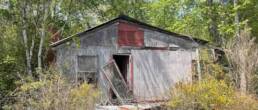
An old shed can go from useful storage to an eyesore fast. Maybe the wood is rotting, the roof has caved in, or the metal siding has started to rust through after one too many Colorado winters. Whatever the reason, tearing down and removing a shed is rarely a simple weekend project once you factor in the frame, the flooring, and whatever has been packed inside for years.
At Mile High Haul Off, we handle shed tear-down and disposal for homeowners, contractors, and property managers throughout Denver and Lakewood. This guide walks through the signs it is time to remove a shed, what affects the cost, how our process works, and how to get your property ready for tear-down day, so you know what to expect from start to finish.
Signs Your Old Shed Is Ready to Come Down
Not every shed needs to be demolished, but certain warning signs suggest it is time to stop patching it up and start planning removal instead.
Structural and Safety Issues
- Rotting or warped wood panels that no longer support the roof or walls
- Rusted metal siding or a frame that has started to buckle under snow load
- A leaning structure that could collapse in high wind or heavy snowfall
- Pest infestations, including rodents or insects nesting in the walls or foundation
- A roof that sags or leaks, which usually signals deeper structural damage underneath
Practical Reasons to Remove a Shed
- You are landscaping or remodeling and need the space for something new
- The shed no longer matches your storage needs or has sat unused for years
- You are preparing a property for sale and want to improve curb appeal
- A property manager needs the yard cleared before new tenants move in
- A contractor needs the lot cleared before construction begins
If any of these sound familiar, our shed tear-down and disposal services can take the structure down safely and haul away everything left behind, so you are not left figuring out where the debris goes.
What Affects the Cost of Shed Tear-Down in Denver
Shed removal pricing is not one-size-fits-all, and understanding the main cost factors can help you plan your project and set expectations before requesting a quote.
Size and Material
A small resin storage box takes far less time to break down than a large wooden workshop shed. Material matters too. Metal frames may need different tools than wood, and larger structures naturally generate more debris to haul away.
Foundation Type
Wood or paver foundations are usually straightforward to remove along with the shed itself. Concrete pads take more effort, and depending on the scope, may require a referral to a local concrete specialist.
Access to the Property
A shed tucked behind a fence, down a narrow side yard, or up a hill can add time to the job compared to one with a clear path to the street or driveway.
What Is Left Inside
Sheds that have become catch-alls for old tools, paint cans, or forgotten furniture take longer to clear before demolition can even begin. Emptying the shed ahead of time can help keep costs predictable.
Because every property is different, we always recommend requesting a free, transparent quote rather than relying on a rough estimate found online.
What Our Shed Tear-Down Process Looks Like
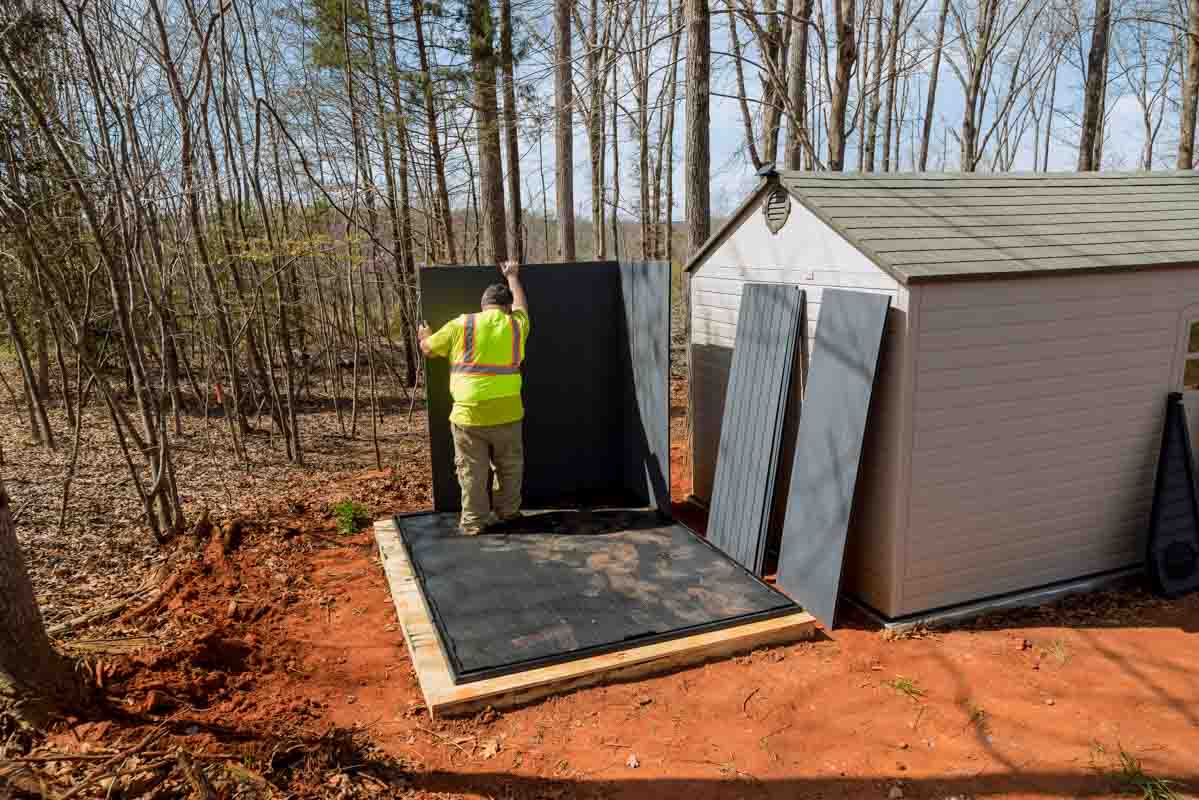
Shed removal involves more than pulling a few boards apart. It requires the right approach so nearby fences, landscaping, and structures stay untouched throughout the job.
Step 1: Free Quote and Scheduling
We start with a quick consultation, either by phone or through our online form, to learn the size and type of your shed. From there we provide an upfront estimate and help you pick a convenient time, often with same-day availability.
Step 2: Careful Demolition
Our crew arrives with the tools needed to dismantle wooden, metal, or plastic sheds of nearly any size. We work methodically to avoid damaging nearby fences, sod, or garden beds during the tear-down.
Step 3: Full Debris Removal
Once the shed is down, we clear away the frame, roofing, flooring, and any leftover items from inside. We also address the surrounding area so you are not left with scattered nails, splinters, or scrap metal.
Step 4: Foundation Assessment
Wood and paver foundations can typically be broken down and hauled away as part of the same visit. Concrete pads sometimes require a specialist, and we will let you know upfront if that applies to your project.
What Happens to the Materials After Tear-Down
Once your shed is dismantled, the materials do not just go straight to a landfill. We sort through debris to handle what comes off your property responsibly.
- Wood: Untreated lumber is recycled whenever possible
- Metal: Siding, hardware, and frames are separated for metal recycling
- Plastic: Plastic shed panels are sorted and processed based on material type
- Hardware and salvageable parts: Usable materials may be donated to local organizations when possible
Please note that we do not provide monetary compensation or tax deductions for donated or recycled materials. Whatever cannot be recycled or donated is disposed of following Colorado’s waste guidelines, so you do not have to research drop-off locations or rules on your own. This is the same approach our locally owned, veteran-owned team takes on every job, no matter the size.
Wood, Metal, or Plastic: How Shed Type Affects Removal
The material your shed is built from can change how long tear-down takes and what equipment our crew brings along.
Wooden Sheds
Wooden structures are common in backyards, but years of Colorado sun, hail, and freeze-thaw cycles can leave panels brittle or rotted. These sheds typically come apart in sections, and our crew checks for hidden decay in the frame before removal begins.
Metal Sheds
Metal sheds hold up well over time but can develop rust or sharp edges as they age, especially along seams and hardware. Our crew takes extra care disassembling metal panels to avoid injury and property damage.
Plastic and Resin Sheds
Lightweight plastic sheds are usually the fastest to remove, though they still need to be broken down properly for disposal or recycling rather than left in large, unwieldy pieces that are hard to transport.
No matter the material, our team has the experience to handle tear-down safely, whether it is a small backyard unit or a larger storage building on a commercial property. Larger demolition projects, such as decks or attached structures, often fall under our light demolition services instead, so let us know if your project extends beyond the shed itself.
Common Questions About Shed Removal
Do I need a permit to remove a shed?
Requirements vary by city and by the size of the structure. Smaller backyard sheds usually do not require a permit, but larger buildings or those tied to utilities may need one. If you are unsure, your local building department can confirm what applies to your property before work begins.
Can you remove a shed with items still inside?
In most cases, we recommend clearing out personal belongings, tools, and valuables ahead of time. This keeps the project moving efficiently and helps avoid any confusion about what should be kept, donated, or hauled away.
How long does a typical shed tear-down take?
Most residential sheds can be dismantled and hauled away in a single visit. Larger structures, difficult access, or a concrete foundation can extend the timeline, which is why we always confirm scope during your free quote.
Is DIY shed removal a good idea?
Tearing down a shed yourself might seem like a way to save money, but rotted wood, rusted metal edges, and heavy debris can pose real safety risks. Renting a dumpster, hauling materials to a disposal facility, and disposing of everything correctly can also end up costing more time and money than hiring a professional crew.
Preparing Your Property for Shed Removal Day
A little preparation before our crew arrives helps the tear-down go smoothly and can even keep your project on the faster end of our estimate.
Clear Out Belongings First
Take out any tools, decorations, or forgotten boxes before we arrive. Sheds tend to collect items over the years, and sorting through what to keep, donate, or toss ahead of time means our crew can start on the demolition itself right away.
Map Out the Path to the Street
If your shed sits behind a fence, down a narrow side yard, or across a slope, let us know in advance. A clear path from the shed to the driveway or street makes debris removal faster and reduces the chance of damage to landscaping along the way.
Flag Anything Nearby That Needs Protecting
Sprinkler lines, garden beds, young trees, and property fences are easy to overlook until equipment is already in motion. Pointing these out before we start lets our team plan around them from the beginning.
Confirm Access for Our Truck
Whether we need to park in a driveway, an alley, or along the street, confirming access ahead of time helps us stay on schedule, especially for same-day appointments.
Shed Removal Checklist and Next Steps
Before you schedule your shed tear-down, run through this quick checklist to help the project go smoothly:
- Identify the shed material: wood, metal, or plastic
- Note the shed’s approximate size and foundation type
- Clear out any stored belongings ahead of time
- Flag any nearby structures, plants, sprinkler lines, or utility lines
- Confirm parking or driveway access for our truck
- Decide whether you need same-day or scheduled service
- Request a free, no-obligation quote for the project
Homeowners preparing a broader outdoor cleanup often pair shed removal with our yard debris and construction waste removal or hot tub demolition services, especially when clearing an entire backyard at once. If you are tackling a seasonal cleanup on top of the shed, our guide to seasonal cleanouts covers other projects worth bundling together.
Ready to Clear the Space for Good
An old shed does not have to keep taking up room in your yard. Our team at Mile High Haul Off is ready to handle the tear-down, sort the materials responsibly, and leave your property clean and ready for whatever comes next, whether that is new landscaping, a fresh build, or simply more open space. We proudly serve homeowners, contractors, and property managers throughout Denver, Lakewood, and the surrounding areas.
Contact us today to Request a Quote and get your shed tear-down scheduled.
Ready for an expert opinion? Get in touch today!
Read the Mile High Haul-Off blog for expert tips on junk removal, yard cleanups, and efficient hauling services. Discover how our veteran-owned Denver-based team can help you clear clutter and create organized spaces.
Like this article? Spread the word!
Related Posts

Denver Large Item Pickup vs. Private Junk Removal: Which Is Right for You?
Not sure if Denver's large item pickup will take your stuff? Compare the city program…

5 Signs You Need a Junk Removal Service in Lakewood, CO
Not sure if it's time to call a junk removal service in Lakewood, CO? Mile High Haul Off…

Mile High Haul-Off: Construction Debris Removal for Projects in Denver, CO
Get fast, reliable construction debris removal for projects in Denver, CO with Mile High…